
Hello, history and jewelry lovers! Today we examine five iconic jewelry items crafted between 501 CE and 1000 CE. During the Early Middle Ages, jewelry underwent profound changes. Metal and stone craftsmanship innovations led to more exquisite and finely detailed jewelry. Let’s step into the time machine and explore these five iconic and influential treasures of the past.
Listen to this article:
Northern Wei Dynasty Earrings
During the 6th century “Han Farong, the wife of Magistrate Cui Zhen” died. Her earrings in particular show the Northern Wei Dynasty’s extraordinary goldworking craftsmanship. The minute details present in the goldwork, including the cherub and dragons on the side of the hoop, and the cup bezels, each one with a shining jewel, show levels of craftsmanship heretofore yet seen.

Merovingian Fibulae
The Merovingian dynasty ruled the Franks from the 5th to the 8th century, and they left behind an extraordinary legacy of jewelry. Fibulae are common clasp broochs used to hold cloak flaps together. People of all classes used fibulae, but the Merovingians made fibulae into an art form. The Merovingian fibulae are intricate filigree pins made of precious metals and gemstones. Merovingian fibulae represent the fusion of Germanic tribal and Roman city-state aesthetics, creating stunning jewelry.

Viking Thor’s Hammer Pendants
From at least 800 to 1050 the seafaring and warrior Vikings loved their jewelry. Among the most iconic Viking jewelry pieces were the Thor’s Hammer pendants. Typically made from silver or bronze and sometimes poured of lead, they featured a two-headed hammer shape, the symbol of the god Thor. The pendants were symbols of faith, strength, and courage. Mjölnir pendants continue to be popular today, showcasing the enduring appeal of Viking craftsmanship.

Carolingian Encrusted Brooches
The Carolingian dynasty was founded by Charlemagne and ushered in a period of artistic revival in France that spread to all of Europe. Carolingian-era jewelry was characterized by its exquisite use of gemstones, the appearance of enameled designs in the West, and delicate metalwork. Gem-encrusted brooches from this era showcase Carolingian craftsmanship. Their luxury status symbols contain numerous and intricately detailed settings that hold a wide array of precious stones.

Umayyad-Andalusian Filigree Necklaces
Beginning in the early 8th century, the Umayyad-Andalusian period was a time of cultural exchange and innovation, and the jewelry of this era reflects that culture’s diversity. Filigree necklaces from this time show exemplary craftsmanship. Made from gold and silver wire, these necklaces showcased delicate, lacy patterns created through meticulous soldering and twisting. Their ethereal beauty and technical complexity continue to captivate admirers of fine jewelry.

Each of these iconic pieces reflects the unique history, beliefs, and artistic traditions of their time and culture. Whether you’re fascinated by the opulence of the Northern Wei Dynasty, the warrior culture of the Vikings, or the intricate craftsmanship of the Carolingian dynasty, the jewelry of the Early Middle Ages offers a window into the past that continues to inspire and captivate.
Subscribe for the next installment of Iconic and Influential jewelry from 1001-1500 CE.
Read More:
New or Vintage Gold?
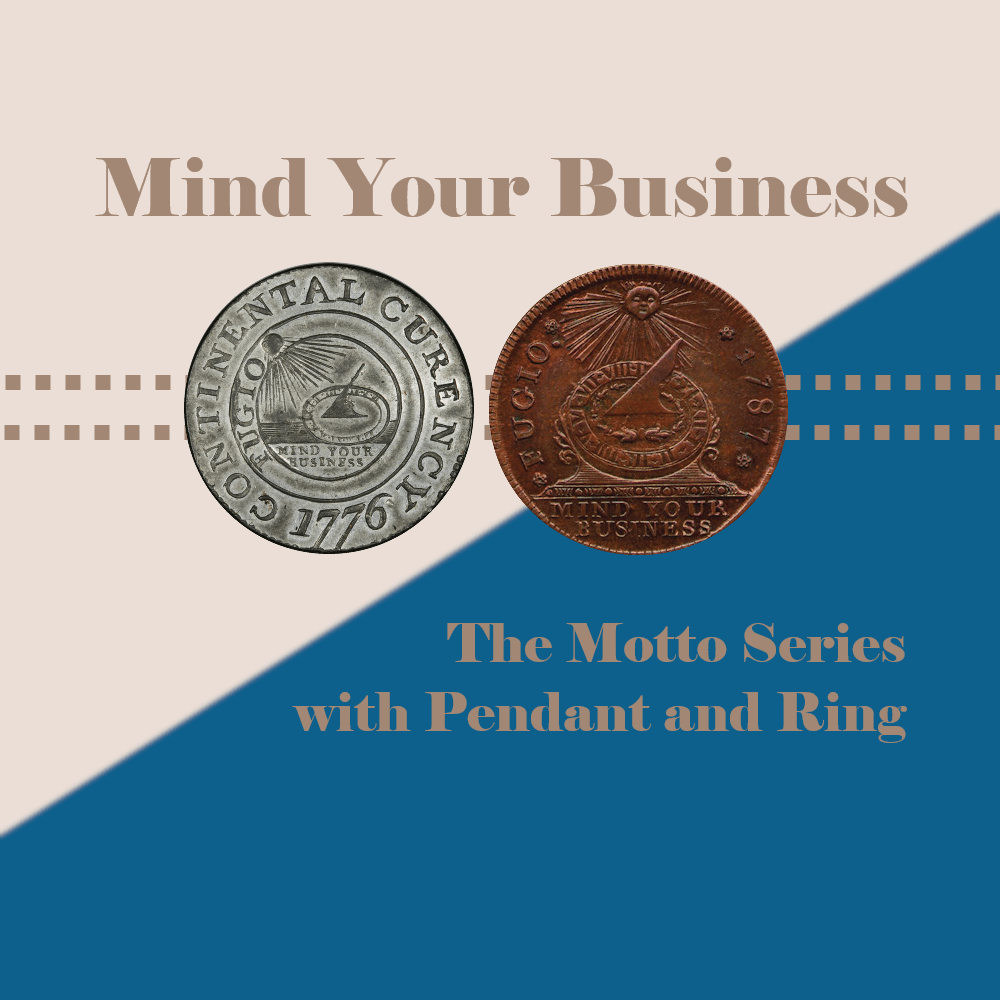
Mind Your Business – Coin Motto
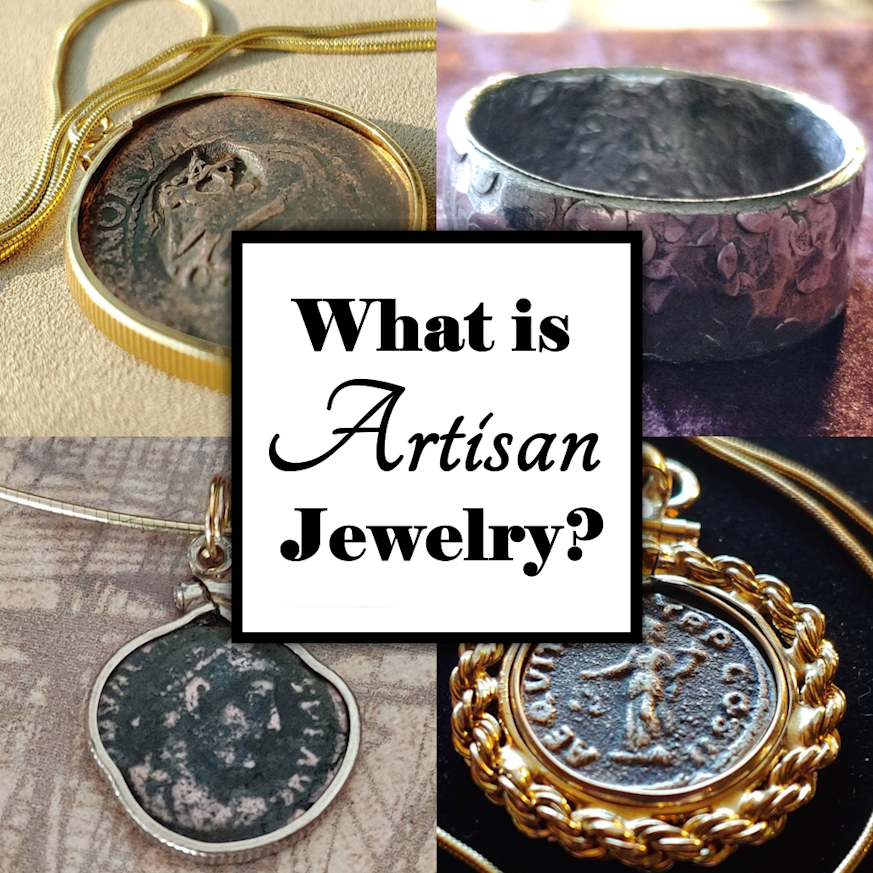
What is Artisan Jewelry?
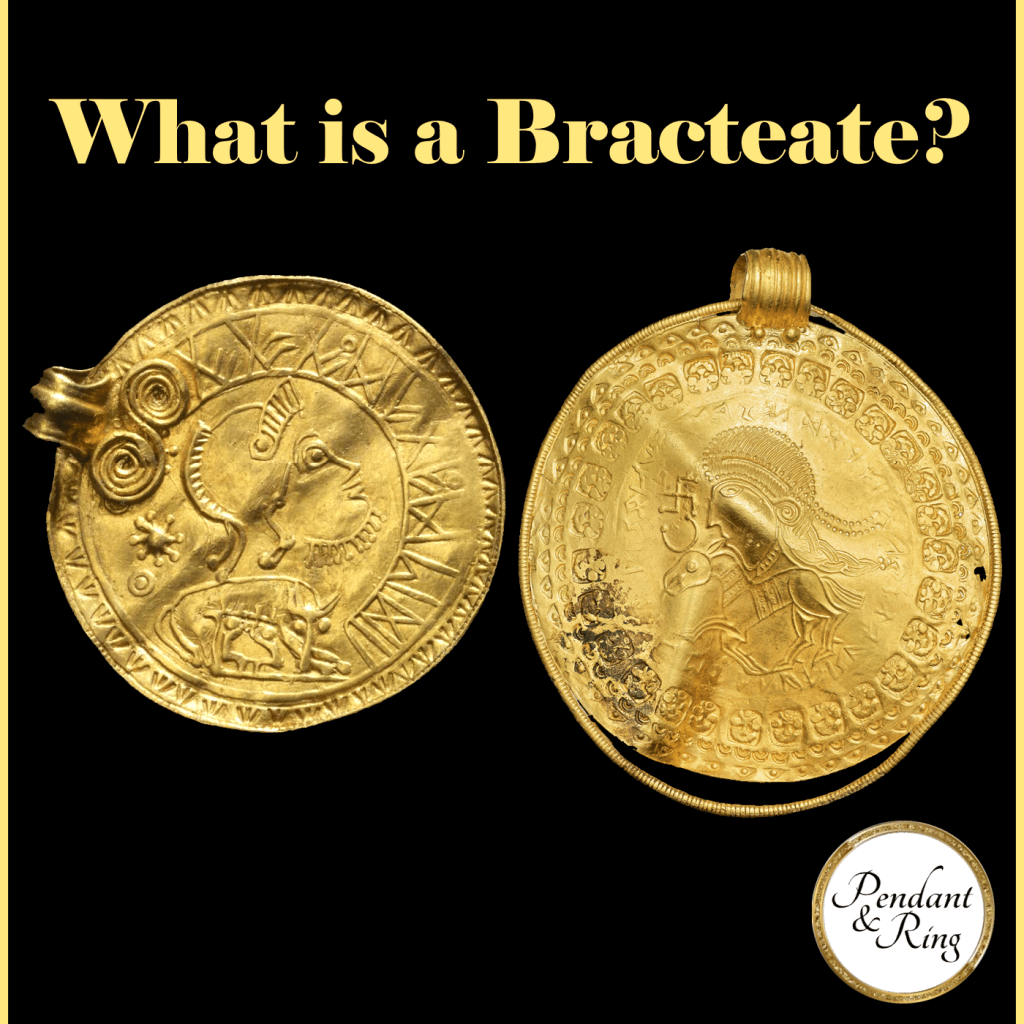
What is a Bracteate?

Find Your Next Treasure
Sources:
Northern Wei Dynasty – Earrings from Northern China. Another archeological look at jewelry, this time of a Northern Wei Dynasty Princess in this book from JSTOR.
Merovingian Fibulae – JSTOR and instant download PDF from De Anza College, CA.
Viking Mjölnir – image from Radio Sweden. The Cast in Steel Competition of 2021 included a steel version of Mjölnir not as a pendant, but as presented in the Prose Edda book Skáldskaparmál. Instant download PDF from The Morelia Institute of Technology.
Carolingian Brooch – MET museum disk brooch and enamel roundel. More about Carolingian jewelry from this instant download PDF from the European Journal of Archaeology at Cambridge.
Umayyad-Andalusian era necklace from the V&A Museum. Find more period jewelry from Miriam’s Blog.
 Pendant and Ring
What do you think?