
Hello and Welcome to Pendant and Ring. This jewelry journey resumes after the fall of Rome, when Byzantium ruled the Near East, the Middle East continued its season of growth, and the European West struggled. This article is not a comprehensive overview of the evolution of jewelry from the Middle Ages to the Renaissance era but a highlight reel.
This article is part of a Jewelry History Series on Pendant and Ring. The earlier entries are linked at the end of the article.
In this segment, we discuss Islamic jewelry design, Northern European adornments, the rise of Gothic styles, and societal aspects such as legal restrictions and hierarchies reflected in jewelry materials. We explore the dissemination of Christian iconography, advancements in enamel techniques, and the cultural significance of jewelry in the New World. We touch on the earliest diamond cutting, the dawn of diamond engagement rings, and the impact of European colonization on indigenous jewelry craftsmanship in the Americas.
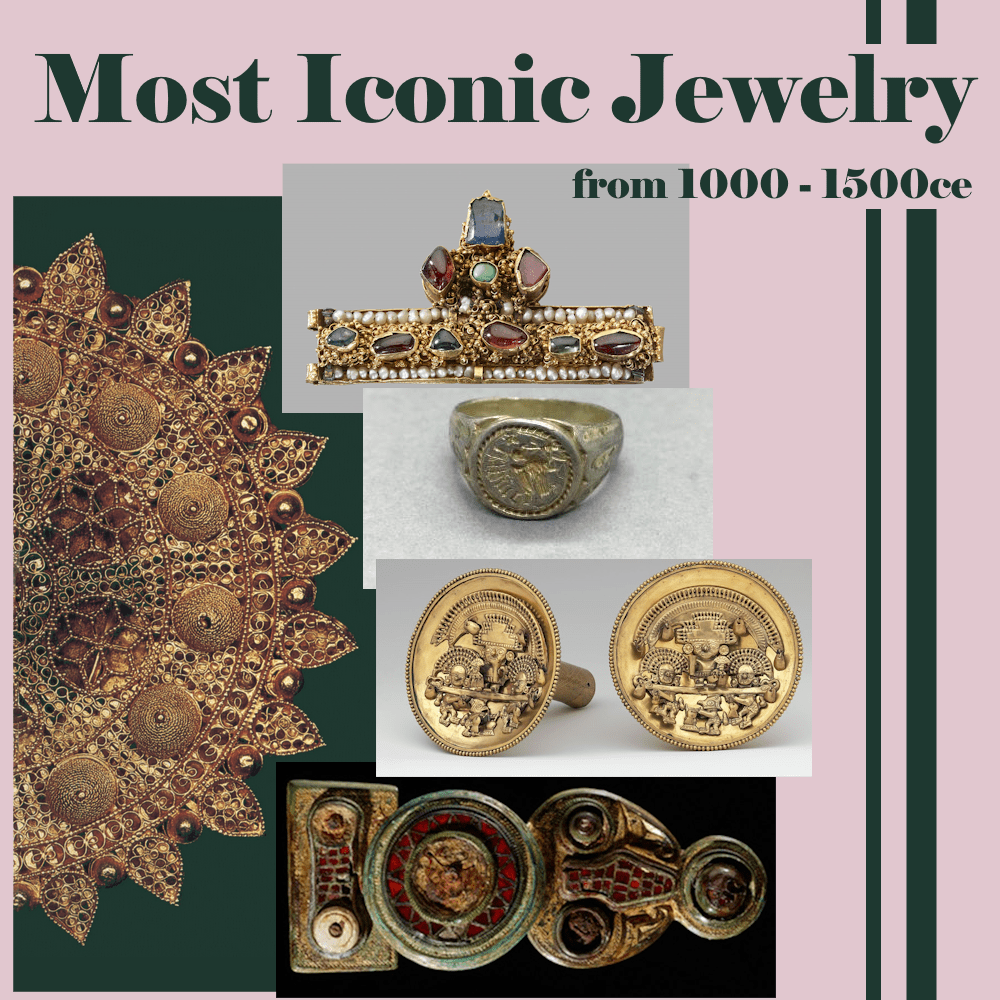
As we move forward through time it becomes difficult to pick just one piece of jewelry as the most iconic. The images included in this article are examples of each era’s iconic jewelry.
1000
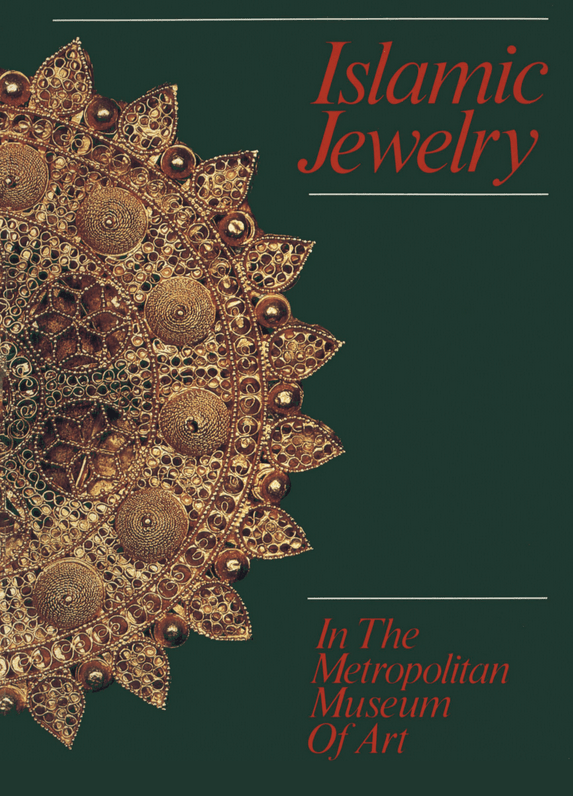
Artisans in the Middle East perfected Islamic Jewelry design. From the 700s, the Islamic form grew out of a blend of Byzantine and Sassanian styles, becoming well-established by 1000ce.
Later, historians called the geometric and open filigree designs with Arabic inscriptions Moresque Ornamentation. The delicate textural metalwork found in many Islamic jewelry pieces took inspiration from pre-Roman cultures along the Mediterranean, including the Etruscans.
1100
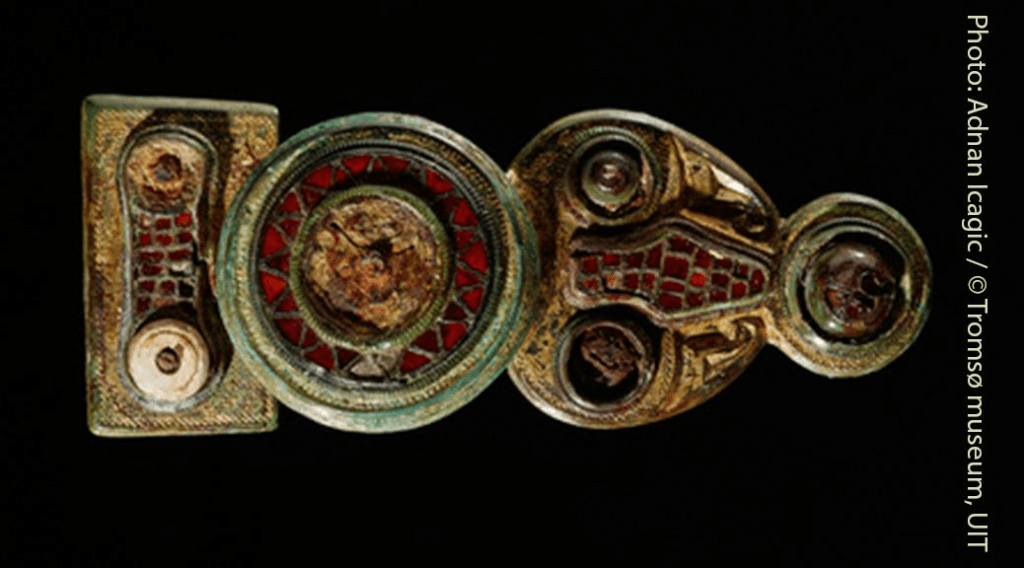
During the 1100s, we see jewelry as adornment for hair and clothing in Northern European latitudes. Pearls and semiprecious soft stones in the Quartz family embellish these hammered structural pieces.
In more southern latitudes, Christians associate social jewelry attire with feast days. During the same period, China introduced cultured pearls to embellish traditional jade designs, and goldsmiths in London formed a guild.
1200
In the 1200s, the intricate Gothic style emerges in jewelry. Rosette windows inspired gold and silversmiths who crafted finely detailed brooches with gems. Larger, polished, brilliant, colorful, bright, symmetrical, even-colored gemstones were more valuable than smaller and muted gems or those with inclusions. Continuing the glass-cutting traditions established by monks in the 6th and 7th centuries, stained glass fragments continued to imitate the brilliance of natural gemstones. In addition to stained glass, jewelers began studying the art of gem cutting, even diamond cutting, producing the first point-cut diamond. In the 1200s, French lawmakers codified the division of fine jewelry and fashion jewelry.
By the end of the 13th century, not only had the wearing of jewels become a definite mark of rank, but efforts were taken to legally restrict this practice to the nobility. The French ordinances of 1283 forbid the bourgeois and their ladies from wearing precious stones, belts of gold set with pearls, or coronals of gold or silver.
Pearl Fashion Through the Ages. Dirlam, Misiorowski, and Thomas.
1300
Medieval European jewelry reflected the strict cast system of the time. Royalty and nobility wore gold and silver encrusted with gems. At this time, the wealthy preferred the natural beauty of uncut stones because laws restricted access to natural gems. The tumbled appearance was nominal proof that the stone was natural rather than manufactured glass.
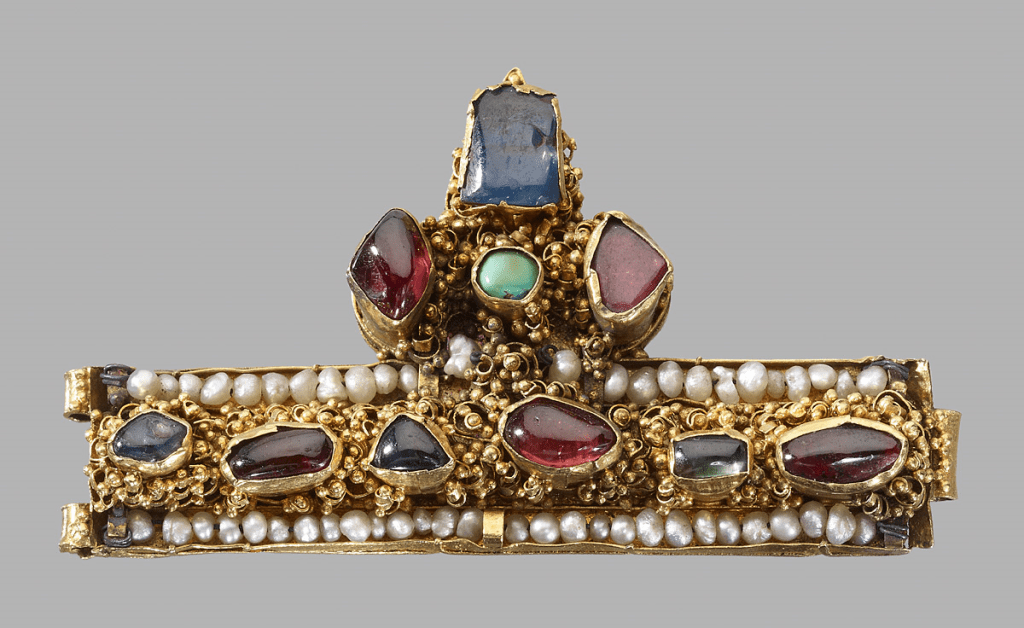
The people wore copper and pewter jewelry with glass and paste stones. Bright color false-stones were the most popular. Merchants and low-ranking nobility who could not wear cut stones leaned into glasswork that the goldsmiths and silversmiths developed alongside stained glass artists.
No matter the wearers’ financial position, protective designs were etched and cut into jewelry, usually of a religious nature, but not always. Some jewelry boasted sigils, cryptic magical inscriptions believed to protect the wearer. Scorpions were especially popular in medicine. Practitioners thought scorpion carvings cooled fevers and helped the body eliminate poisons. Toward the end of the 1300s, upcycling Greek and Roman jewelry was en vogue. Jewelers incorporated ancient carved cabochons into new designs. This revival contributed to the popularity of Carnelian, Onyx, Ruby, Emerald, Sapphire and Topaz.
1400
Upcycling Greek and Roman pieces led to a Renaissance of engraved jewelry. Often, new designs incorporated personally identifiable symbols and portraits of nobility. Engraved designs were small and round, like coins. When placed in a signet ring, the carved metal or gem served as identifiers for wax-sealed correspondence. Pendants of this style were similar to cameo jewelry.
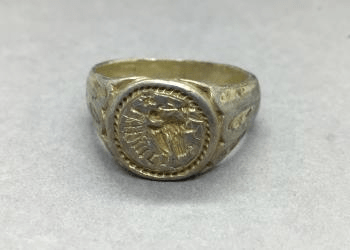
At the dawn of the Renaissance, sailors carried Christian iconography to distant harbors in sailing ships. Portuguese ships carried the Cross along the Mediterranean shoreline, the Atlantic Coasts of Africa, around the Cape of Good Hope, and to India.
European goldsmiths learned the champlevé enamel techniques imported from modern-day Sudan and developed cloisonne enamel. Artisans make champlevé cells by drilling, cutting, or melting a continuous metal object. Artisans make cloisonne cells by soldering metal ribbon shapes to a metal substructure. In both cases, artisans pour brilliant-colored ground glass slurry into the cells and bake the glass into place.
Spanish ships carried the Cross into the New World. Red glass and rubies were popular jewelry choices that represented the blood of Christ, and pearls represented purity. Elaborate cutting techniques made stone and glass jewelry more intricate. Opals with brilliant fire were equated to the fire of the Holy Spirit and juxtaposed with the demure purity of pearls.
In the mid-1400s, jewelers developed table-cut and French-cut diamonds. Jewelry historians theorize that Emperor Maximilian I was the first to propose marriage with a diamond ring. Mary of Burgundy accepted the diamond engagement ring, and a tradition was born.
http://www.metmuseum.org/Collections/search-the-collections/316437
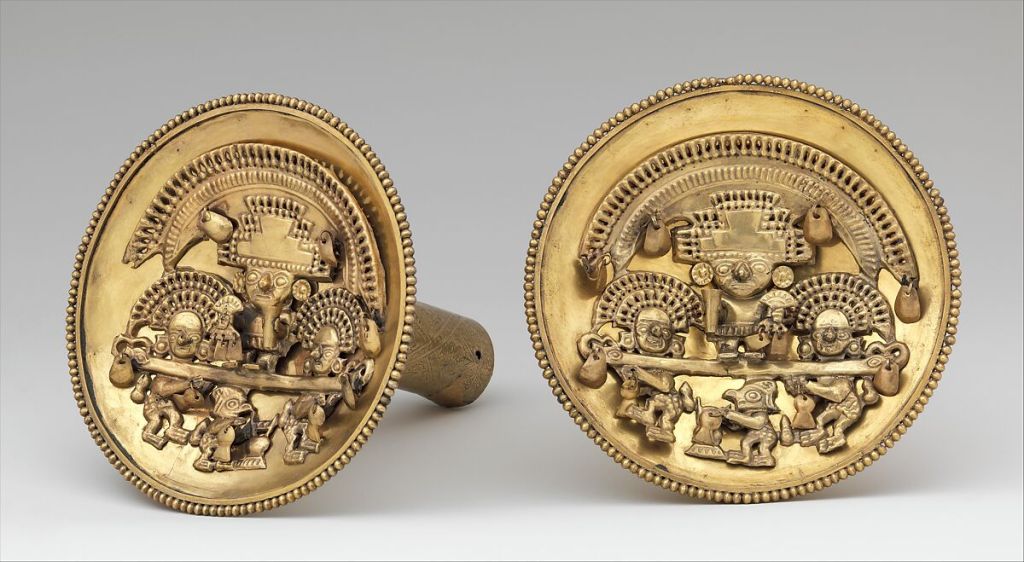
The Inca in Peru and the Aztecs in Mexico crafted stunning gold pieces for royalty, nobility, and the priest classes. Hammered and rolled gold fields served as staging grounds for detailed granulation techniques. Conquistadors shipped melted American gold and silver back to Europe. The people who melted the jewelry destroyed much culture and history.
Artisans in the Americas made granulated pieces by joining metal-to-metal with heat and without solder. They also made articulated silver brooches for fabric closure and embellishment. Few examples remain because uncounted treasures were melted down and shipped back to Europe.
Thank You
for joining us on this journey through the evolution of jewelry from the fall of Rome to the Renaissance era.
Subscribe to receive up to four articles a month and the next installment in this Jewelry History series.
Visit the Pendant and Ring store to find your next treasure!
Keep Reading:
Most Iconic and Influential Jewelry Pieces from 0 to 500ce.
Most Iconic and Influential Jewelry Pieces from the 6th to the 10th Century.
 Pendant and Ring
What do you think?